
General Article
Healthcare in Japan: What You Need to Know

Whether you’re planning to move, already living in Japan, or helping someone relocate, understanding how Japan’s healthcare system works is essential. Thankfully, the country’s system is known for its accessibility, high quality, and affordability, especially when compared to many Western nations.
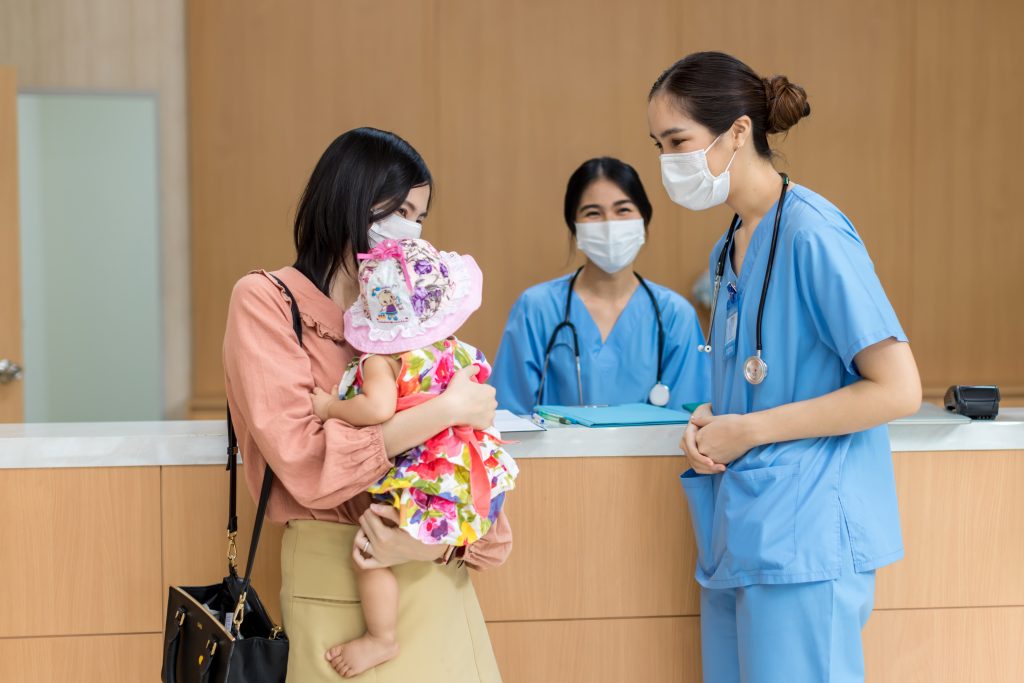
This guide covers how healthcare in Japan works, how to use National Health Insurance, what to expect in terms of costs, and answers to common questions for residents and visitors alike.
What Does Healthcare Look Like in Japan?
Japan has one of the most efficient and accessible healthcare systems in the world. It operates on a universal health coverage model, meaning all residents — Japanese or foreign — are required to enroll in either Employee Health Insurance (for salaried workers) or National Health Insurance (for students, freelancers, and the self-employed).
Hospitals and clinics are widely available, even in rural areas, and many offer advanced diagnostic tools and quick service. While English-speaking staff may not be available at every facility, large hospitals and international clinics often accommodate foreign patients.
Key features of Japan’s healthcare system:
- Universal access (for residents)
- No need for a referral to see most specialists
- Government-regulated pricing
- Co-pay system (typically 30% out-of-pocket)
What Is National Health Insurance (NHI)?
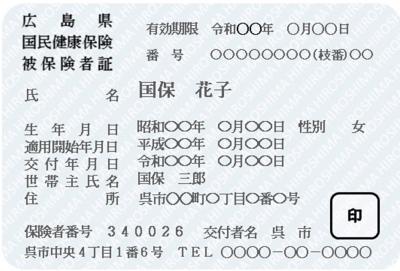
National Health Insurance (国民健康保険, kokumin kenkō hoken) is the system designed for:
- Students
- Freelancers or self-employed individuals
- Part-time workers
- Unemployed residents
- Newly arrived expats not employed by a Japanese company
What does it cover?
Once enrolled, NHI covers about 70% of your medical costs, including:
- Doctor visits
- Hospital care
- Prescription medications
- Dental procedures
- Mental health treatment
- Maternity services
- Some preventive care (e.g. health screenings)
The remaining 30% is paid by the patient at the point of care. For children, seniors, and low-income residents, this percentage may be even lower.
How Do I Use It?
Step 1: Enroll
You apply at your local city or ward office within 14 days of:
- Moving to Japan
- Losing employer health insurance
- Changing visa status
You’ll need your residence card, passport, and My Number (social security number) if applicable.
Step 2: Receive Your Health Insurance Card
After enrolling, you’ll be issued a National Health Insurance Card. Bring this card with you whenever you go to:
- Clinics
- Hospitals
- Pharmacies
It’s how facilities determine your eligibility and co-pay rate.
Step 3: Pay Your Monthly Premium
Premiums vary based on your income, location, and number of dependents. Local governments calculate the fee each year, and you’ll receive a bill or payment slips in the mail.
How Much Does It Cost?
Premiums range widely but are generally very affordable compared to other countries.
For example:
- A low-income single person might pay as little as ¥2,000–¥5,000/month (approx. $13–$35 USD)
- A freelancer with moderate income may pay ¥10,000–¥25,000/month
- Families may pay more, depending on household income and the number of dependents
In addition, you’ll pay 30% of treatment costs at the point of service. For example, a doctor’s visit that costs ¥6,000 will only cost you ¥1,800 out-of-pocket.
If your monthly healthcare costs become high (e.g. surgery or hospitalization), Japan offers a high-cost medical expense subsidy, which refunds part of your payment if it exceeds a certain threshold.
Q&A: Common Questions About Healthcare in Japan
❓ Are tourists covered by national health insurance?
No. National Health Insurance is only available to residents of Japan. Tourists should purchase travel health insurance before visiting. Emergency treatment is available regardless, but it may be expensive without coverage.
❓ Can I use my National Health Insurance outside Japan?
No. National Health Insurance only covers treatment inside Japan. If you’re traveling abroad, you’ll need to purchase separate travel or global health insurance.
❓ What happens if I lose my health insurance card?
Go to your local city or ward office and request a reissue. You may be asked to show your residence card. It’s best to carry a photo of your card in case of emergencies.
❓ Is it mandatory to join National Health Insurance?
Yes, if you’re not enrolled in Employee Health Insurance, you are legally required to join National Health Insurance. Failing to enroll may result in backdated payments or penalties.
Final Thoughts
Japan’s healthcare system is one of the country’s strengths: affordable, efficient, and easy to access. For residents, joining National Health Insurance isn’t just mandatory — it’s also one of the smartest steps you can take to protect your health and finances.
Whether you’re moving for work, study, or retirement, make sure to enroll promptly and keep your insurance card with you. If you’re unsure which type of coverage fits your visa status or work situation, consult with your city hall or a relocation advisor.
Need help registering for National Health Insurance or understanding your options as a new resident?
Nippon Bridge provides relocation support for individuals, families, and companies moving to Japan, including healthcare, housing, and business setup.
📩 Contact us for assistance navigating your move with confidence.