
General Article
Understanding Japan’s Transportation System: A Comprehensive Guide for Newcomers
When preparing for a move, transportation is often an overlooked aspect that can have a significant impact on your daily routine. In Japan, mastering the country’s highly efficient public transport system is key to a smooth and stress-free experience. Japan offers an array of transportation options, especially in urban centers, that can simplify your commute and make travel seamless.
1. Japan Railway (JR) and Local Train Networks
Japan’s JR trains play a crucial role in connecting cities and towns across the country. In major cities like Tokyo, Osaka, and Yokohama, these trains often operate in tandem with subway networks, creating a well-integrated system that residents heavily rely on for their daily commutes. Unlike subways, which operate underground, JR trains run on the surface and are essential for both short and long-distance travel.
There are different types of train services to be aware of:
- Local Trains (普通電車): Stop at every station along the route.
- Rapid Trains (快速): Skip certain stations, offering a faster commute at no extra cost.
- Express Trains (急行): Make fewer stops than rapid trains, providing quicker service for longer distances.
- Limited Express Trains (特急): Stop only at major stations and require an additional fee.
For commuters, the use of rechargeable IC cards or commuter passes (定期券) simplifies travel, allowing passengers to tap in and out without worrying about purchasing tickets for each trip.
2. Shinkansen (Bullet Trains)
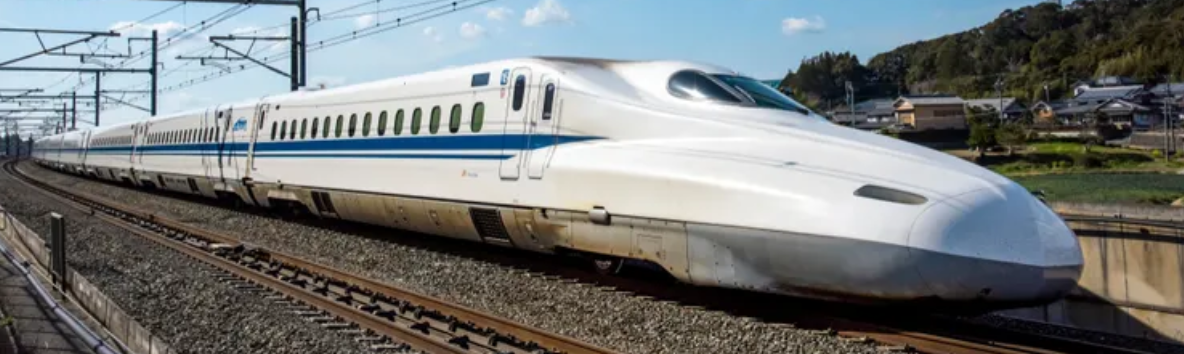
For long-distance travel, Japan’s famous Shinkansen, or bullet trains, offer a quick and comfortable solution. These high-speed trains, reaching up to 320 km/h, connect major cities across Japan. Whether you’re traveling for business or leisure, the Shinkansen is an efficient way to move between regions. Tickets can be bought at JR ticket offices, and IC cards can be used for payment.
3. Bus Transportation
Buses are a valuable transportation option, particularly in areas that aren’t as well-served by trains. While navigating buses in smaller towns may be challenging due to limited English signage, once you understand the system, it becomes an effective way to get around. Passengers can pay with IC cards or cash, with fares calculated based on the distance traveled. To signal your stop, press the button inside the bus when approaching your destination.
4. Taxis
Taxis in Japan are reliable but come with a higher price tag compared to public transport. They are particularly useful when other options are unavailable, such as late at night. Available taxis display a “空車” sign, which indicates they are ready to be hired. Most taxis in Japan accept both IC cards and credit cards, offering flexibility in payment.
5. Driving and Car Rental
While public transport is the preferred method of travel in Japan’s cities, there are occasions where having a car is beneficial, especially in rural areas. However, driving in Japan presents its own challenges, such as navigating narrow streets, dealing with expensive toll roads, and finding parking. City dwellers might find car ownership impractical, but it can be a helpful option for accessing areas with limited public transport services.
Conclusion
Japan’s transportation system is renowned for its punctuality, efficiency, and convenience. Whether you are commuting within a bustling city or traveling between regions, there are ample options to suit your needs. Understanding how to navigate the JR and subway networks, as well as the bus and taxi systems, will greatly enhance your experience living in Japan. With the right preparation, you’ll find moving around the country a breeze, allowing you to focus on enjoying everything Japan has to offer.